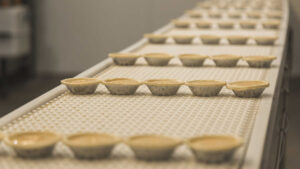
A traditional pastel de nata typically contains between 180 and 300 calories, depending on its size, recipe, and preparation method.
Also known internationally as the Portuguese custard tart, the pastel de nata combines flaky puff pastry with a rich custard filling made from ingredients such as egg yolk, milk, and sugar.
However, not all pastéis de nata are the same. Factors such as portion size, pastry thickness, sugar content, and ingredient ratios can significantly influence nutritional values.
How many calories does a Nata Pura pastel de nata contain?
At Nata Pura, one original pastel de nata (60 g) contains:
- 187 kcal
- 10.1 g fat
- 20.5 g carbohydrates
- 11.1 g sugars
- 3.2 g protein
Per 100 g, the product contains 312 kcal.
These values may vary slightly depending on preparation and baking conditions.
Ingredients that define the product
A traditional pastel de nata is known for its balance between crispy pastry and creamy custard texture.
The Nata Pura original recipe includes ingredients such as: milk; egg yolk; wheat flour; sugar; and puff pastry dough.
The characteristic caramelised top – often recognised by its darker spots after baking – is also part of what defines an authentic Portuguese custard tart.
Why do calories vary between pastéis de nata?
The caloric value of a pastel de nata depends mainly on:
- the dough composition;
- the custard ratio;
- baking process;
- and portion size.
Some larger bakery versions may contain significantly more calories due to extra cream, thicker pastry or added toppings.
Smaller formats, meanwhile, may contain less.
Is pastel de nata unhealthy?
Like many traditional pastries, pastel de nata is best enjoyed as part of a balanced lifestyle.
It is an indulgent bakery product associated not only with flavour, but also with culture, tradition, and experience.
Its relatively small serving size also makes it a more moderate option compared with many larger pastries and desserts available internationally.
Pastel de nata vs other pastries
Compared with products such as:
- large muffins;
- frosted donuts;
- cinnamon rolls;
- or filled croissants,
A standard pastel de nata often contains fewer calories per portion. This balance between flavour, texture, and portion size is one of the reasons why Portuguese custard tarts continue to gain popularity worldwide.
Today, pastel de nata is no longer just a traditional Portuguese pastry; it has become a globally recognised product found in cafés, hotels, bakeries, and retail chains across different international markets. And while many people search for the calories in a pastel de nata, what they often remember most is something else entirely: the experience of tasting an authentic Portuguese classic.